

4th Annual
a2 National Symposium
March 19–20, 2026
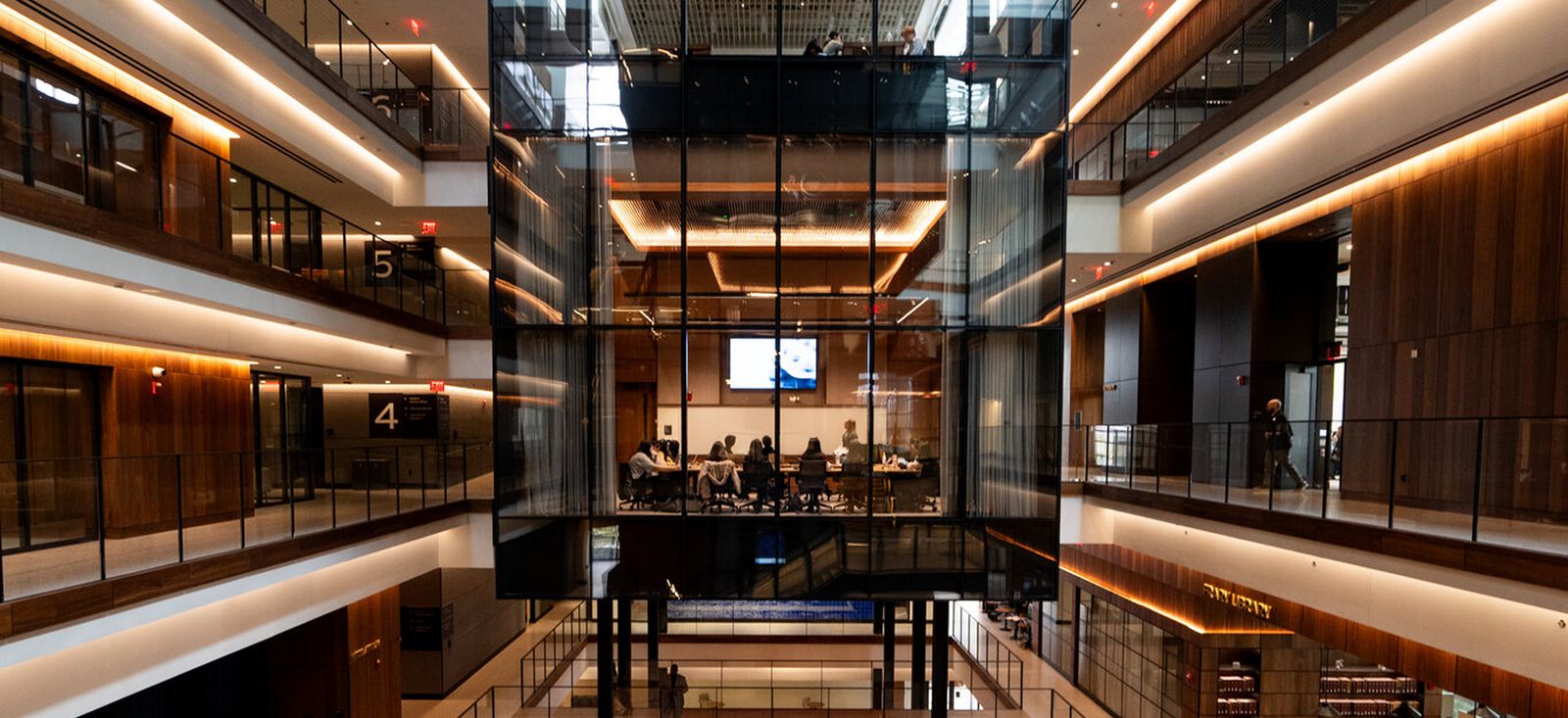
Johns Hopkins Bloomberg Center | Washington, D.C.

Why Attend
Discover
Breakthroughs in AI, aging, and dementia care that redefine what’s possible.
Connect
Researchers, innovators, and funders shaping the future of healthy longevity.
Experience
Washington, D.C., in full bloom—ideas and cherry blossoms alike.

Powering Innovation Through Partnership
The a2 National Symposium is made possible by visionary sponsors and collaborators driving progress in AI, aging, and healthcare innovation.
SPONSORS AND SUPPORTING PARTNERS FOR EDUCATION AND TRAINING



HOSTED BY:

CO-HOSTED BY:

The a2 National Symposium is primarily funded by the National Institute on Aging, part of the National Institutes of Health.
Contact
For general questions about the symposium please contact:
Amanda Curran
Email: amanda.curran@roseliassociates.com
Speakers
Meet the Voices Shaping the Future of AI + Aging
Panelist
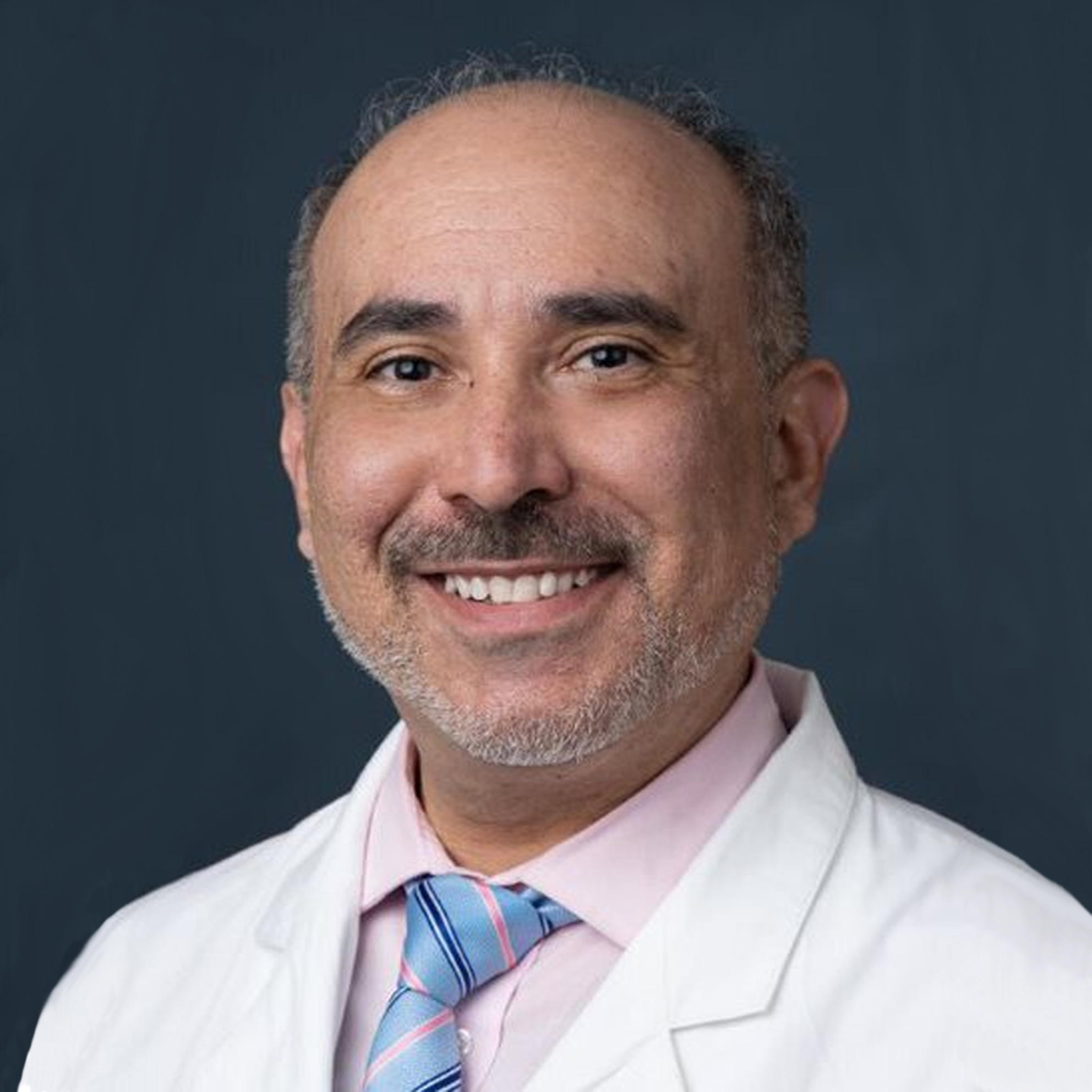
Peter
Abadir
Associate Professor of Geriatric Medicine and Gerontology, John Hopkins University
Bio
Peter Abadir, MD, is an associate professor of geriatric medicine and gerontology at the Johns Hopkins University School of Medicine, with a joint appointment in the Johns Hopkins Whiting School of Engineering. Dr. Abadir’s research interests include changes in the renin angiotensin aldosterone system with aging, and the development of new technologies that will improve the health and well-being of older adults. He has been recognized by the Hopkins Department of Medicine with the W. Leigh Thompson Excellence in Research Award and was selected as the 2021 Salisbury Family CIM/HAP Scholar. Dr. Abadir is co-director of the Johns Hopkins Human Aging Project Gerotech Incubator Program and serves as co-principal investigator for JH AITC.
Panelist
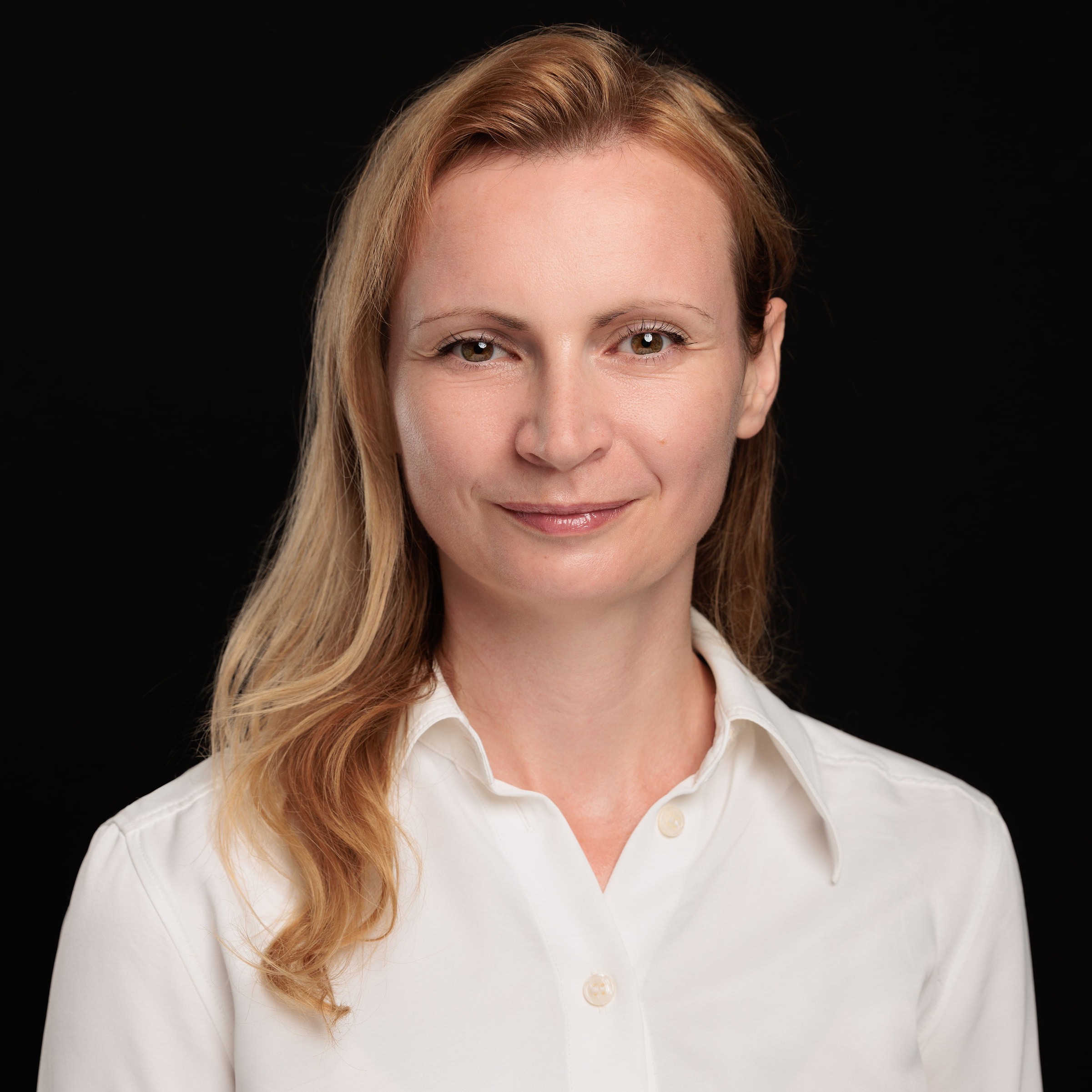
Anna
Barnacka
Founder and CEO, MindMics
Bio
Anna Barnacka, PhD, is the founder and CEO of MindMics, where she leads the development and commercialization of an AI-powered, in-ear infrasonic hemodynography platform for continuous cardiovascular monitoring using consumer in-ear devices. Trained as an astrophysicist, she holds PhDs in physics and astronomy and was a NASA Einstein Fellow at Harvard before transitioning into biomedical innovation. Beyond health technology, she is also a director of the Multiverse Concert Series and served as the scientific lead for Black Hole Symphony, interdisciplinary projects that bridge science, art, and music to make complex scientific ideas accessible to all.
Funder/Dealmaker
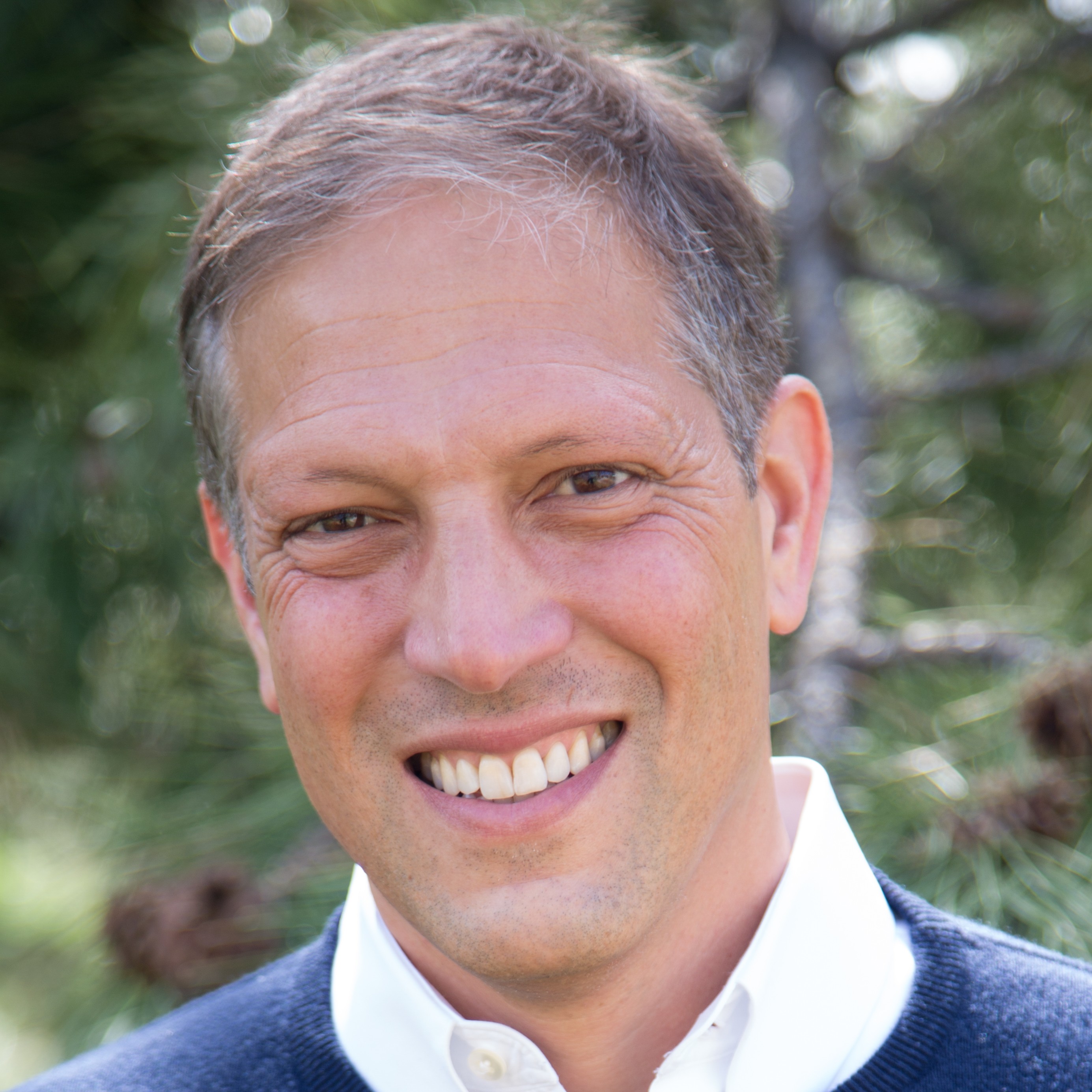
Keith
Camhi
Managing Director
Bio
Keith Camhi, MBA, MS, invests in and advises talented entrepreneurs at Techstars, where he is the managing director of the Techstars Healthcare Accelerator powered by Permanente Medicine in Washington, D.C. During his 7-year tenure at Techstars, he has led the global accelerator investment team, run accelerator programs with other prominent partners including Melinda Gates's Pivotal Ventures (Future of Longevity), Samvid Ventures (Economic Mobility), and J.P. Morgan (in Washington, D.C. and New York City), and has invested in nearly 80 startups.
Prior to Techstars, Camhi founded and scaled FitLinxx (securing over $50M in venture capital and reaching #20 on the Deloitte Fast 500) and Great Play (three-time Entrepreneur Franchise 500 honoree), and he served as an entrepreneur-in-residence for two funds focused on healthcare and early childhood development. He holds degrees from Cornell University and the Massachusetts Institute of Technology, and has been awarded multiple patents in sensor and machine vision technology.
Funder/Dealmaker
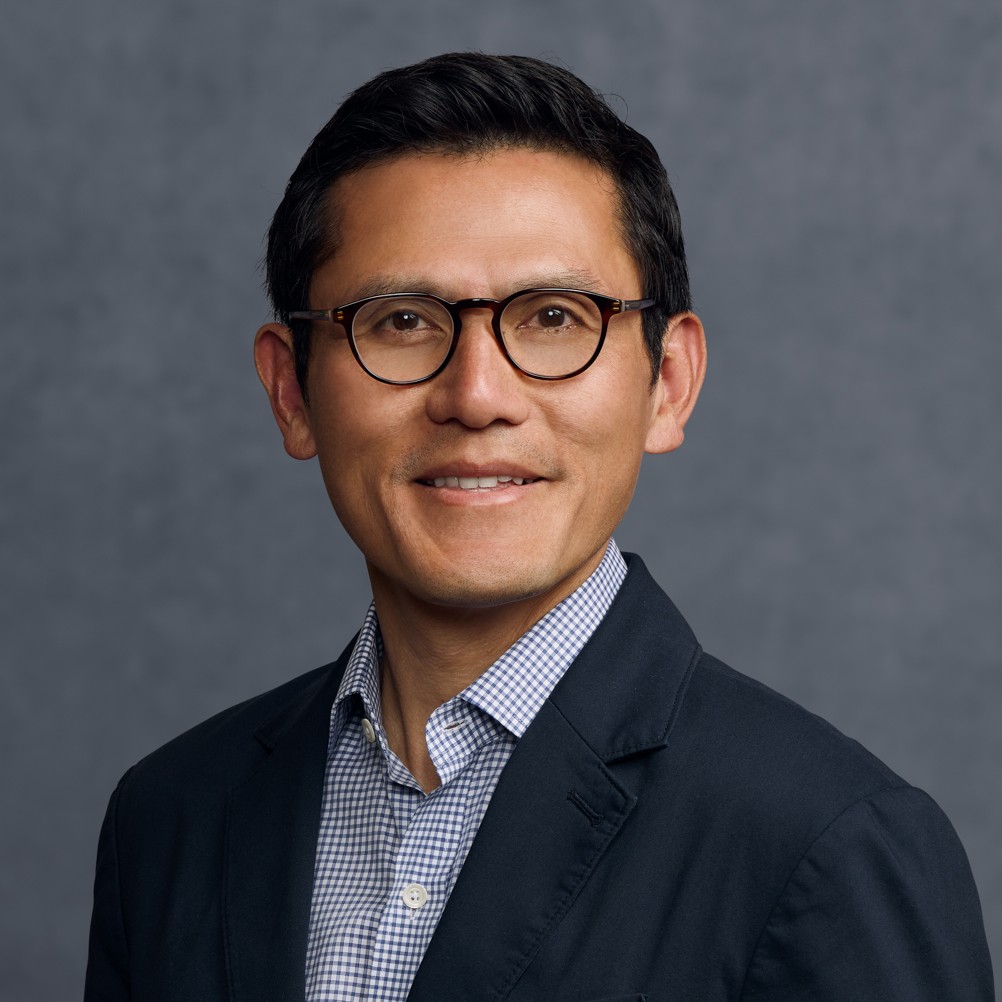
Tony
Chan
Partner and Global Co-Leader
Bio
Tony Chan, JD, is global co-leader of Orrick’s Life Sciences & HealthTech Sector. His practice focuses on representing private equity and strategic clients in the life sciences, healthcare, investment management and tech sectors on complex domestic and cross-border corporate transactions. Chan regularly advises on mergers and acquisitions (M&A), private equity, growth equity, and venture capital transactions, as well as on corporate governance, joint ventures, and corporate finance matters. He has been recognized for his life sciences and M&A work by a number of notable publications, including The Legal 500 US, Law360, IFLR1000, and Legal Media Group. In particular, Law360 highlighted his work in navigating the complex life sciences industry and key partnership negotiations between biotechnology and drug companies.
In addition, Chan sustains an active pro bono practice, serving as counsel to nonprofit organizations such as Aequitas, APAI Vote, Chefs Stopping Asian American Hate, Rebuilding Together Philadelphia, the Philadelphia Film Society, and the Harvard Asian American Alumni Alliance. Chan also serves as an adjunct professor at Georgetown Law School where he has taught Takeovers, Mergers, and Acquisitions since 2015.
Moderator
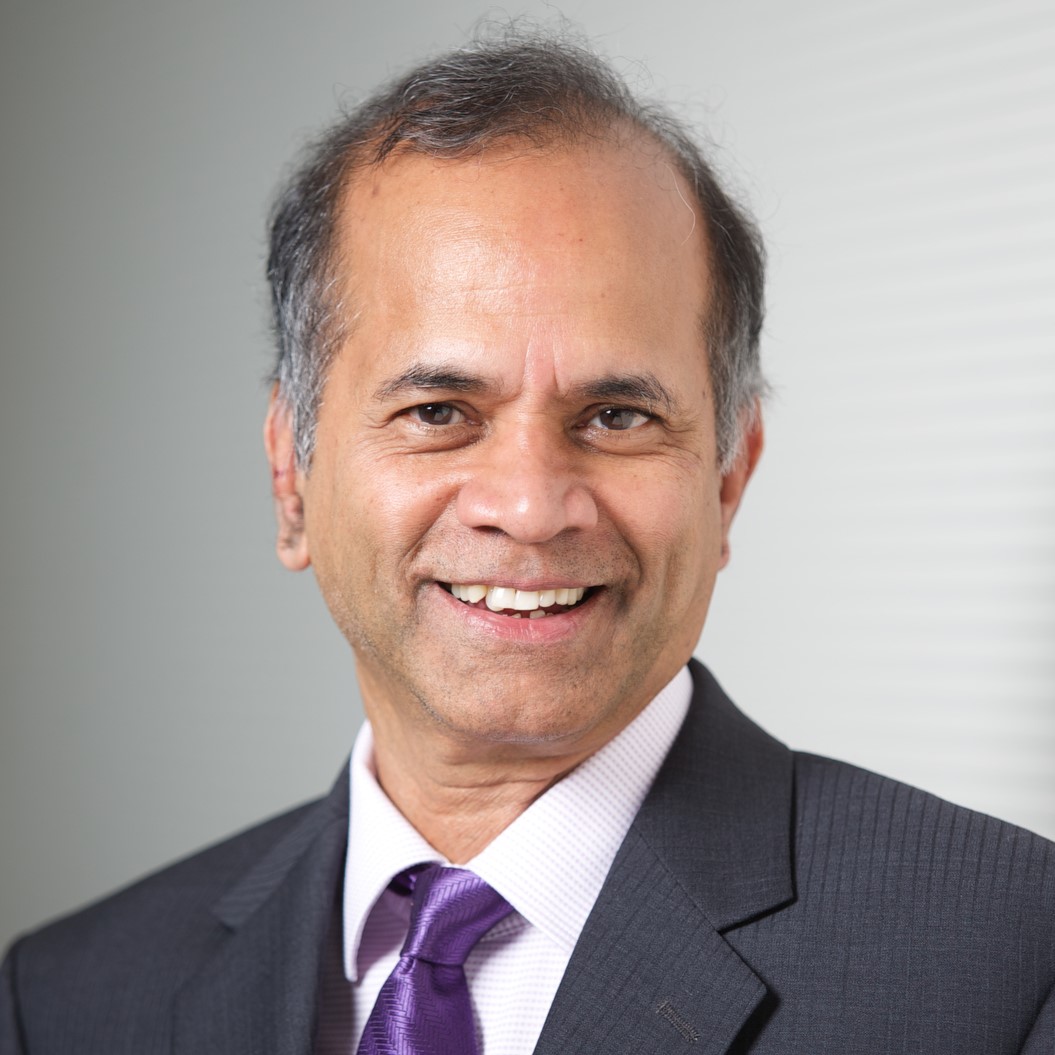
Rama
Chellappa
Professor of Electrical, Computer, and Biomedical Engineering, Johns Hopkins University
Bio
Rama Chellappa, PhD, is a Bloomberg Distinguished Professor in the Departments of Electrical and Computer Engineering and Biomedical Engineering at Johns Hopkins University (JHU). He serves as co-principal investigator for JH AITC and is the former interim director of the JHU Data Science and AI Institute. He is also a member of JHU’s Center for Imaging Science, Center for Language and Speech Processing, Institute for Assured Autonomy, and Mathematical Institute for Data Science.
Dr. Chellappa's work in computer vision, pattern recognition, and machine learning have had a profound impact on areas including biometrics, smart cars, forensics, and 2D and 3D modeling of faces, objects, and terrain, while his work in motion capturing and imaging shows promise for future use in health care and medicine. He is the author of Can We Trust AI?, a member of the National Academy of Engineering, and a Life Fellow of the Institute of Electrical and Electronics Engineers (IEEE). He completed his PhD in electrical engineering at Purdue University.
Speaker

I. Glenn
Cohen
Deputy Dean and Professor of Law, Harvard Law School
Bio
I. Glenn Cohen, JD, is the deputy dean and James A. Attwood and Leslie Williams Professor of Law at Harvard Law School and serves as faculty director of the Petrie-Flom Center for Health Law Policy, Biotechnology, and Bioethics. He is one of the world’s leading experts on the intersection of bioethics and the law, as well as health law. He is an elected member of the National Academy of Medicine and served as a faculty scholar for the Greenwall Foundation. He has spoken to NATO on biotechnology and human enhancement, addressed the OECD and members of the U.S. and the Korean Congress on medical AI policy, and advised former U.S. Vice President Kamala Harris on reproductive rights. He has provided bioethical advising and consulting to some of the largest healthcare companies in the world including Bayer, Otsuka, and Illumina. He has given grand rounds and lectured to medical and industry conferences across the world.
Cohen is the author of more than 300 articles and the author, co-author, editor, or co-editor of more than 20 books. His work has appeared in leading law, medicine, and science journals and has been frequently covered by or appeared in media venues such as PBS, NPR, ABC, NBC, CBS, CNN, The New York Times, The Washington Post, and The Boston Globe. He received his JD from Harvard Law School.
Panelist
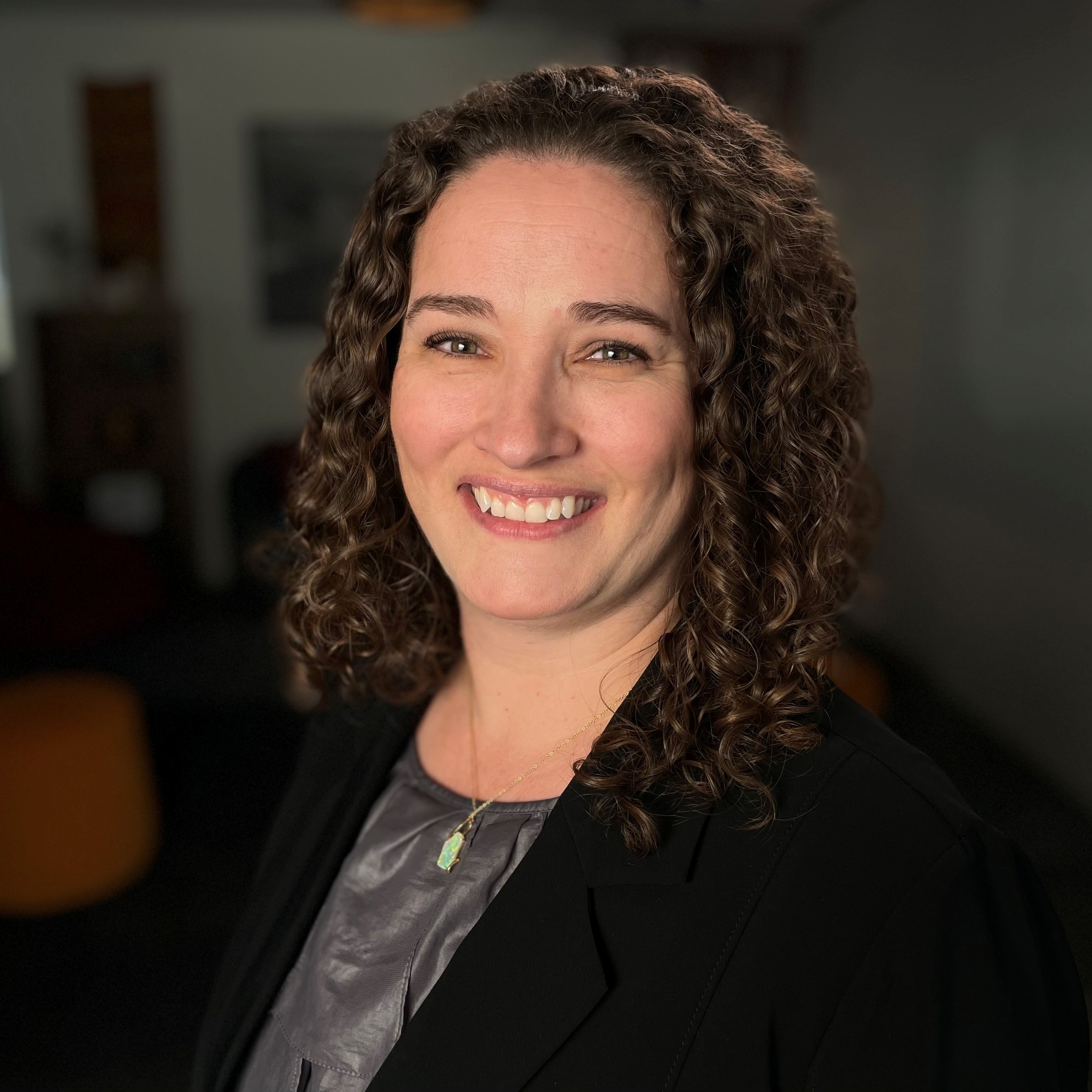
Nora
Connor
Co-Lead, ACCESS Model
Bio
Nora Connor, PhD, is a data scientist and federal health technology expert who serves as co-lead for the ACCESS Model at the Center for Medicare & Medicaid Services (CMS) Innovation Center. In this role, she oversees implementation of outcome-aligned payments for technology-enabled healthcare. She also facilitates data reporting, data sharing, and real-time patient status updates to support care coordination.
Previously, she served as the director of data science and AI at Abt Global, where she drove the organization’s AI strategy and technical delivery for federal clients. Her innovations included using discrete event simulations to inform policy decisions, leveraging generative AI to support CMS rulemaking, and creating machine learning models to manage U.S. trade logistics. She holds a PhD in computer science from the University of Colorado.
Panelist
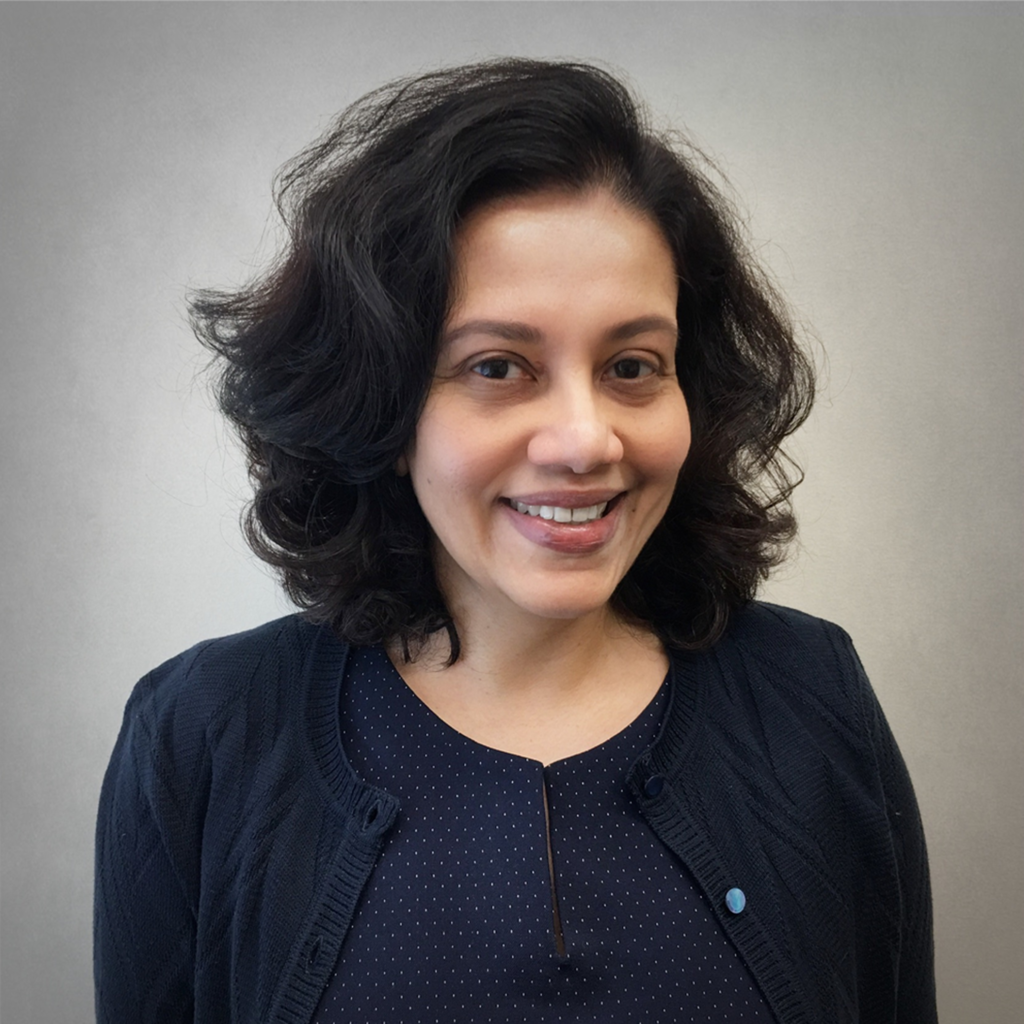
Sudeshna
Das
Associate Professor of Neurology, Harvard Medical School
Bio
Sudeshna Das, PhD, is an associate professor of neurology at Harvard Medical School (HMS) and director of the Mass General Hospital (MGH) Biomedical Informatics Core. She serves as MassAITC co-principal investigator and AD/ADRD Pilot Core co-lead. Her lab develops and applies computational, statistical, and AI methods to big data—from molecular omics to electronic health data—to advance research and clinical care. Her work centers around advancing brain research, with a focus on Alzheimer’s disease and related dementias (AD/ADRD). Dr. Das also serves as co-lead for the Data Management and Statistical Core of the Massachusetts Alzheimer’s Disease Research Center (MADRC) and is a member of the National ADRC Clinical Task Force Technology subcommittee.
Prior to her appointments at HMS and MGH, Dr. Das managed a multidisciplinary team of scientists in the computational biology group at Millennium Pharmaceuticals and was senior program manager for life sciences with the Initiative in Innovative Computing at Harvard University. She is associate editor of two neurology journals and an ad hoc reviewer for 25+ journals spanning neuroscience and data science. She completed her PhD in biomedical engineering at Boston University.
Moderator
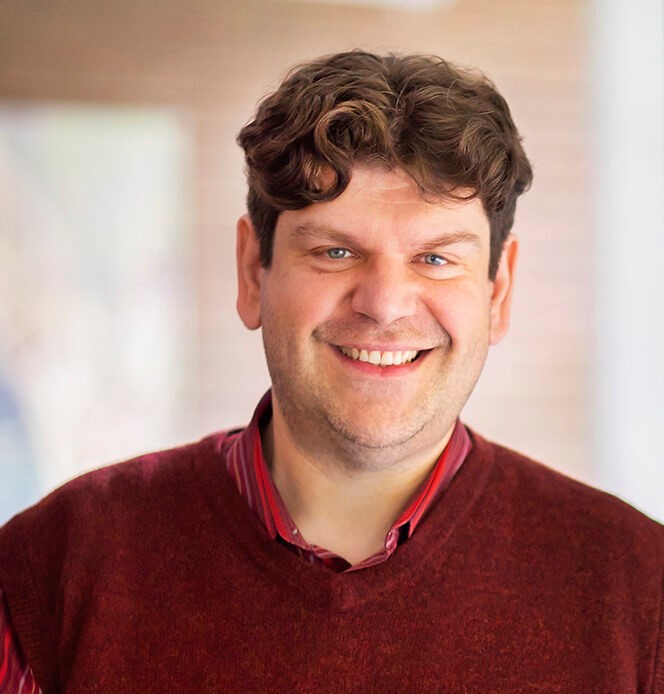
George
Demiris
Professor of Nursing and Associate Dean, University of Pennsylvania
Bio
George Demiris, PhD, is the Penn Integrates Knowledge Mary Alice Bennett University Professor at the University of Pennsylvania, with joint faculty appointments in Penn Nursing’s Department of Biobehavioral Health Sciences and the Perelman School of Medicine’s Department of Biostatistics, Epidemiology, and Informatics. He also serves as associate dean for research and innovation at Penn Nursing and as co-principal investigator for PennAITech.
Dr. Demiris’s research focuses on the use of information technology to support older adults and their family caregivers and explore innovative solutions to promote independent aging and patient and family engagement. He is a co-founder of the Hospice Caregiver Research Network, an initiative led by researchers from various academic disciplines committed to designing and testing interventions to support family caregivers of patients at the end of life. Another area of his research includes the use of behavioral sensing, smart home, and Internet of Things technologies to promote independence for community-dwelling older adults and their families. He leads the Penn Community Collaboratory for Co-Creation (Penn4C).
Moderator
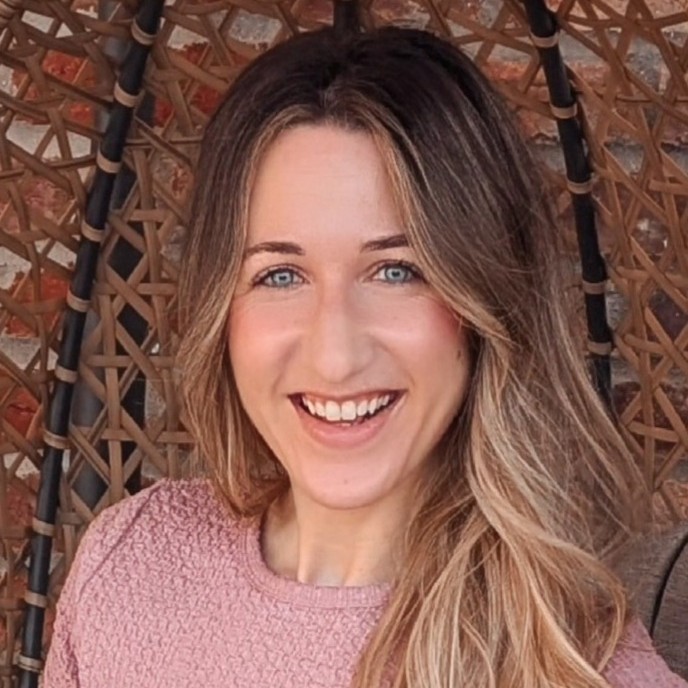
Amanda
DiBattista
Acting Chief, Neurobiology of Aging and Neurodegeneration Branch
Bio
Amanda DiBattista, PhD, is the acting chief of the Neurobiology of Aging and Neurodegeneration Branch in the Division of Neuroscience at the National Institute on Aging (NIA). She leads initiatives focused on AI-based solutions to challenges in research and research administration, and her team oversees a multidisciplinary research portfolio on brain aging and Alzheimer’s disease.
Prior to joining NIA, Dr. DiBattista earned her PhD in neuroscience from Georgetown University. Her current research portfolio encompasses a broad range of fundamental mechanisms underlying the continuum from aging to neurodegenerative disease.
Panelist
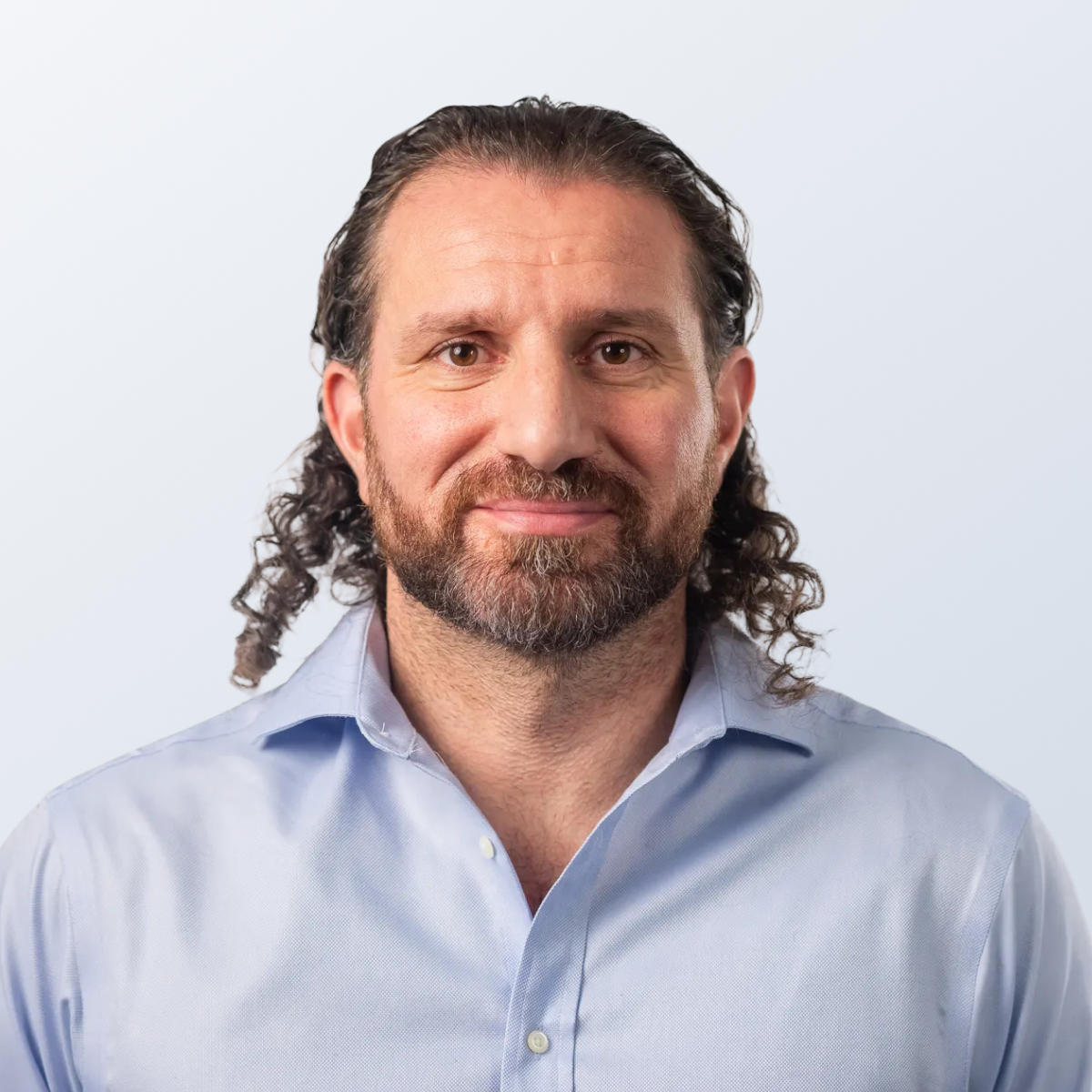
Rafid
Fadul
Chief Medical Officer
Bio
Rafid Fadul, MD, MBA, joined ARPA-H in January 2026 and brings a unique combination of clinical expertise and healthcare innovation leadership to his role as the inaugural Chief Medical Officer (CMO) for ARPA-H. In this capacity, he reports to the agency’s Director.
After transitioning from bedside practice to healthcare technology entrepreneurship, Dr. Fadul has spent the past decade building and scaling companies at the intersection of clinical care delivery and digital health solutions. He joins ARPA-H from Zivian Health, a company he co-founded and led in developing comprehensive healthcare software platforms serving medical providers nationwide, addressing challenges in regulatory compliance, clinical workflow optimization, and data interoperability. Concurrently, Dr. Fadul served as an advisor to care delivery companies, where he oversaw clinical programs in longevity medicine and emerging therapeutics, maintaining direct connection to evolving patient care needs and clinical practice realities.
Dr. Fadul is board-certified in internal medicine, pulmonary disease, and critical care medicine and holds an MD from the Georgetown Washington University, as well as an MBA from Johns Hopkins University.
Moderator

Luigi
Ferrucci
Senior Investigator and Scientific Director
Bio
Luigi Ferrucci, MD, PhD, is a geriatrician and epidemiologist whose work centers on uncovering the biological mechanisms that drive physical and cognitive decline in older adults. As scientific director of the National Institute on Aging (NIA) since 2011, he has advanced interdisciplinary research that integrates neuroimaging, physiology, genomics, and emerging AI-enabled methods to better understand the aging process.
Dr. Ferrucci’s career spans decades of pioneering research, including leadership of the Longitudinal Studies Section at NIA and the Baltimore Longitudinal Study of Aging, as well as major contributions in the design of many epidemiological studies conducted in the United States and Europe.
Agenda
a2 NATIONAL SYMPOSIUM | Empowering Innovation in AI/Tech + Aging
March 19–20, 2026
Hopkins Bloomberg Center
Washington, D.C.
March 18 Pre-Symposium Workshops: In addition to the March 19–20 symposium, for which registration is open to the public, the a2 Collective Coordinating Center is hosting pre-symposium training workshops on March 18 for principal investigators from the a2 Pilot Awards cohorts funded in 2025. March 18 workshops are by invitation only and participation is subject to space limitations. More details on workshop content are available here.
The a2 National Symposium will include keynote talks, panels, poster presentations/demos, networking opportunities, a speed mentoring session, and a pitch challenge. A preliminary agenda is available below, with additional speakers and details to be announced in the coming weeks. The agenda was last updated on March 24, 2026, to reflect final event details..
Poster Presentations
Sponsors
Partner with the a2 Collective
Join a national $65M initiative advancing innovation in aging and AI.
Reach
Brand Visibility
Engage
Connect Networks
Support
Fuel Innovation Impact
Sponsorship
For more information regarding sponsorship opportunities please contact Rose Li at rose.li@roseliassociates.com and/or Stephen Liu at s@a2collective.ai.
We would like to thank the sponsors and supporting partners listed below. Please visit their websites to learn more about their initiatives.
Platinum Sponsors
Gold Sponsors
Sponsors and Supporting Partners FOR EDUCATION AND TRAINING
Travel Award Sponsors
Location
Venue Details
The a2 National Symposium will be held on March 19–20 at the Johns Hopkins Bloomberg Center in Washington, D.C. Included below are some helpful details about the venue including information regarding parking and public transportation.
Hopkins Bloomberg Center
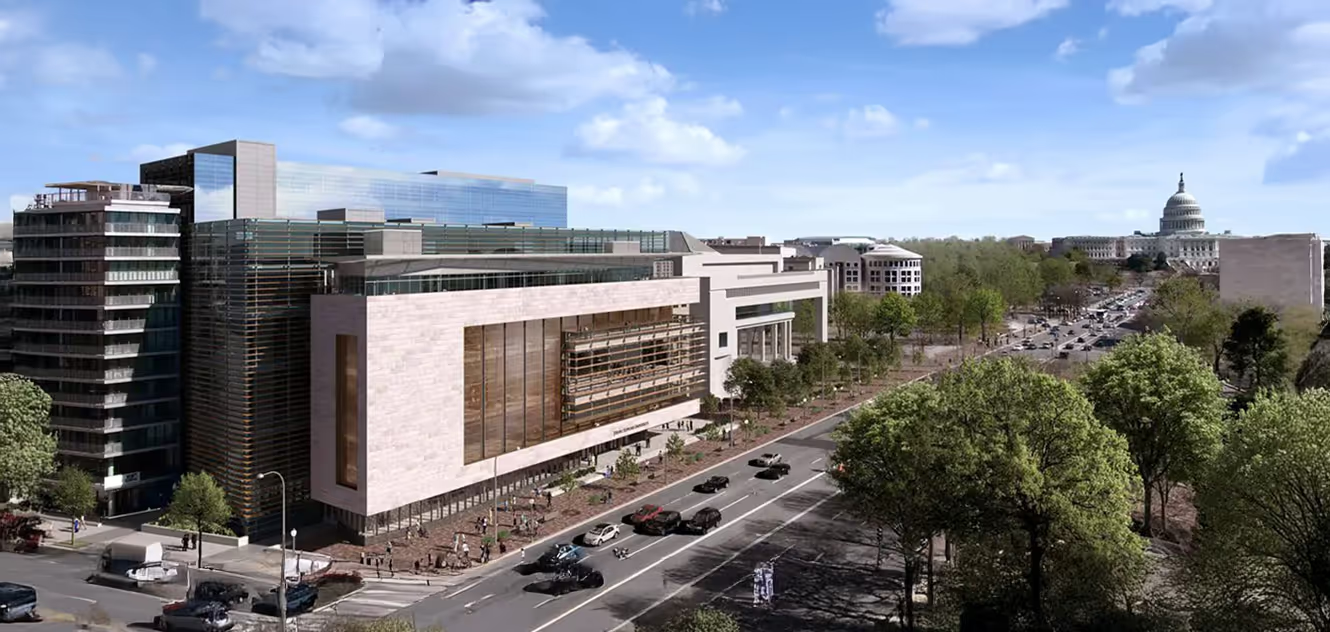
Address:
555 Pennsylvania Ave, NW Washington, DC 20001
Website:
https://washingtondc.jhu.eduTelephone:
(202) 588-0597
Parking:
- Garage Entrance: C Street NW (use “507 C Street NW” in GPS for accuracy)
- Bloomberg Center Garage: Evening & weekend parking available; advance reservation recommended
- Other Nearby Garages:
- Colonial Parking Garage – 625 Indiana Ave NW (5-minute walk)
- Atlantic Parking – 601 Pennsylvania Ave NW (3-minute walk)
- District Center Garage – 555 12th Street NW (8-minute walk)
- Note: Street parking is limited—please allow extra time for arrival.
Public Transporation:
- Closest Metro Station: Archives–Navy Memorial–Penn Quarter Station (Green & Yellow Lines) – 4 min walk
- Other Nearby Stations:
- Judiciary Square Station (Red Line) – 7-minute walk
- Federal Triangle Station (Blue, Orange & Silver Lines) – 10-minute walk
- Gallery Place–Chinatown Station (Red, Green & Yellow Lines) – 10-minute walk
- Bus Options: Multiple Metrobus routes serve Pennsylvania Ave NW—check WMATA app for real-time updates
- Tip: SmarTrip cards or contactless payment accepted on Metro and bus

Location:
Click here to access- Johns Hopkins University Bloomberg Center 555 Pennsylvania Ave, NW Washington, DC 20001
- Centrally located near the National Mall and major landmarks—easily accessible by Metro, bus, or rideshare.
Know before you visit
Experience Washington, D.C., in full bloom! March marks the city's stunning cherry blossom season, and it's a perfect backdrop as we gather to unlock the future of AI and AgeTech.

Places to visit
National Cherry Blossom Festival
Dates: March 20–April 12, 2026
Details: Celebrate spring in DC with parades, cultural performances, and the city’s iconic cherry blossoms. Perfect for attendees extending their stay.
Distance: ~2 miles (10 minutes by car or 25 minutes on foot)
Easiest Way to Get There: Walk or take Metro from Judiciary Square (Red Line) to Smithsonian Station
Georgetown Waterfront & The Wharf
Details: Enjoy an evening stroll or riverside dining after the symposium.
Distance: 2.5 miles (10–15 minutes by car)
Easiest Way to Get There: Take a rideshare or Metrobus (Route 38B) from 7th & Pennsylvania Ave NW to M St & Wisconsin Ave NW
Dining Ideas: Fiola Mare • Sequoia • La Vie
Smithsonian Museums & National Mall
Details: Explore DC’s most iconic attractions—all free to enter and open daily.
Distance: 0.7 miles (5–10 minutes by car or 15 minutes on foot)
Easiest Way to Get There: Walk straight down 7th Street NW or take Metro (Red Line) from Judiciary Square to Smithsonian Station
Must-See Highlights: National Museum of African American History and Culture • National Gallery of Art • National Air and Space Museum • U.S. Capitol and Library of Congress
Evening & Weekend Suggestions
• Friday Evening: Dinner in Penn Quarter or Chinatown (0.5 miles, 10-minute walk)
• Saturday, March 21: Cherry Blossom Festival or museum day
• Sunday, March 22: Brunch at Founding Farmers (1.2 miles, 7 minutes by car) or a relaxing stroll along the National Mall
Useful Links
Registration
The 2026 a2 National Symposium has now concluded. A full recap of the symposium, as well as video recordings of plenary sessions, are now available.